Source Fully Automatic Grouting Machine for Tunnel, Mining, and Construction
Find 30 fully automatic grouting machine options from Shandong suppliers. Compare specifications like motor power, voltage, and weighing accuracy to select the right equipment for your industrial needs and ensure efficient operation; compare the available evidence and request quotations based on your requirements.
Key considerations
Products List


Comprehensive Sourcing Guide
Fully Automatic Grouting Machine Sourcing Guide
Procuring a fully automatic grouting machine requires a strategic approach to align technical capabilities with specific project demands, particularly in construction and industrial applications. Buyers must first define the operational environment, whether it involves wet or semi-dry shotcrete processes, to ensure the selected equipment matches the material handling requirements. The market offers various configurations, including rotor-type structures and hydraulic machining processes, which significantly influence the final output quality and operational efficiency. Understanding these foundational distinctions is critical for selecting machinery that delivers consistent performance without unnecessary complexity or maintenance burdens.
The decision-making process also hinges on evaluating the core components and power systems that drive the machine’s functionality. High-speed stirring motors and dedicated water injection systems are essential for achieving uniform slurry consistency, while the overall power consumption dictates long-term operational costs. Buyers should prioritize machines that offer precise weighing accuracy and adjustable mixing speeds to accommodate different grout formulations. By focusing on these technical fundamentals, procurement teams can avoid mismatched specifications and ensure the selected equipment integrates seamlessly into existing production workflows, thereby maximizing return on investment and minimizing downtime during critical project phases.
Product Scope and Observed Listing Signals
Market listings for fully automatic grouting machines reveal a diverse range of specifications, with observed price points spanning from sixty to fifty thousand US dollars, reflecting variations in capacity, automation level, and brand reputation. The minimum order quantity typically ranges from one to five units, indicating that suppliers are flexible in accommodating both pilot projects and larger-scale industrial deployments. These signals suggest that buyers can negotiate terms based on volume, although single-unit purchases are readily available for testing or small-scale operations. The wide price variance underscores the importance of comparing technical specifications rather than relying solely on cost as a primary selection criterion.
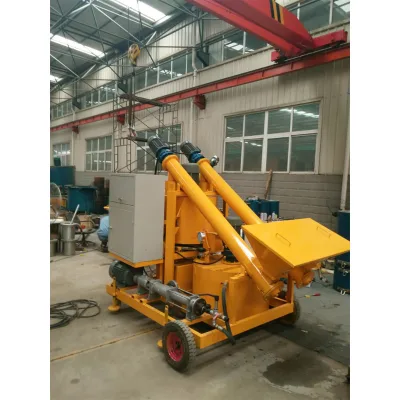
Product attributes observed in current listings include specific model numbers such as KRD-GG-89 and MT-1028, alongside varying weights from five hundred to over one thousand kilograms. Some units are identified as intelligent pulp presses or cement production machinery, highlighting the versatility of the equipment across different industrial sectors. The presence of customization options and various packing methods, such as wooden cases or boxes, indicates that suppliers are prepared to handle logistical requirements for international shipping. Buyers should carefully review these listing details to ensure that the physical dimensions and weight of the machine are compatible with their facility’s infrastructure and transportation capabilities.
Technical Specifications to Verify
When evaluating technical specifications, buyers must verify the power requirements and motor configurations to ensure compatibility with their site’s electrical infrastructure. Observed data indicates voltage options of 220V and 380V, with power ratings ranging from 0.75 kW to 7.5 kW for various components. It is crucial to confirm the exact voltage supply needed, as mismatched electrical requirements can lead to equipment failure or safety hazards. Additionally, the mixing speed, often observed around 1020 r/min, and the low-speed settings should be checked to ensure they meet the specific viscosity and flow requirements of the grout being produced.
Pressure and weighing accuracy are also critical technical parameters that directly impact the quality of the final product. Buyers should verify that the pressure gauge range and resolution meet the operational needs, with some listings indicating a total range of 2.5 MPa and resolution better than 0.1 MPa. Weighing accuracy of less than 0.2% is a desirable feature for maintaining consistent grout mix ratios. Furthermore, the efficiency rating, observed at 5000 kg/h for some models, should be validated against production targets. Ensuring these specifications are accurately documented in the purchase agreement protects the buyer from receiving equipment that falls short of performance expectations.
Compliance and Safety Documentation
Compliance with international standards is a non-negotiable aspect of sourcing industrial machinery, particularly when operating in regulated markets. Buyers should verify that the equipment carries recognized certifications such as CE and ISO 9001, which indicate adherence to quality management and safety directives. These certifications provide assurance that the manufacturing process follows established protocols, reducing the risk of defects and ensuring that the machine meets essential health and safety requirements. Documentation should be requested prior to purchase to confirm that the specific model and serial number are covered under the certification scope.
In addition to certifications, buyers must ensure that comprehensive machinery test reports are provided by the supplier. These reports offer empirical evidence of the machine’s performance under controlled conditions, validating claims regarding power consumption, pressure stability, and operational efficiency. The presence of a one-year warranty is also a standard expectation, providing a safety net for early-stage failures. Buyers should review the warranty terms carefully to understand what components are covered and the process for claiming repairs or replacements. Proper documentation not only facilitates customs clearance but also simplifies future maintenance and support interactions with the manufacturer.
Cost Drivers and Commercial Terms
Several factors influence the total cost of ownership for a fully automatic grouting machine, with power consumption and material handling capacity being primary drivers. Machines with higher efficiency ratings, such as those capable of processing 5000 kg/h, may have a higher upfront cost but offer significant savings in operational expenses over time. Buyers should also consider the cost of customization, as tailored specifications for voltage, packing, or structural design can increase the initial price. Understanding these cost drivers allows procurement teams to make informed decisions that balance immediate budget constraints with long-term operational efficiency.
Commercial terms, including payment methods and shipping arrangements, play a significant role in the overall procurement strategy. The use of wooden cases or boxes for packing indicates that suppliers are equipped to handle international logistics, but buyers must clarify who is responsible for freight and insurance costs. Lead times can vary based on the complexity of the order and the availability of raw materials, so it is essential to establish clear delivery schedules in the contract. Additionally, buyers should negotiate terms for after-sales support and spare parts availability to ensure that the machine remains operational throughout its lifecycle, minimizing the financial impact of unexpected downtime.
Supplier Qualification and Quality Control
Supplier qualification is a critical step in mitigating procurement risks, requiring buyers to assess the manufacturer’s production capabilities and quality control processes. Buyers should verify the place of origin, with many listings indicating production in Shandong, China, a region known for its industrial manufacturing base. However, geographic origin alone is not a guarantee of quality, so buyers must request detailed information about the supplier’s factory audits, production line standards, and employee training programs. Establishing a direct line of communication with the supplier’s technical team can provide insights into their commitment to quality and their ability to address specific buyer requirements.
Quality control measures should be explicitly defined in the purchase agreement, including pre-shipment inspections and performance testing protocols. Buyers should insist on witnessing or receiving video evidence of the machine undergoing operational tests before it is packed for shipment. This step ensures that the equipment meets the agreed-upon specifications and functions correctly before leaving the factory. Additionally, buyers should inquire about the supplier’s process for handling defects or discrepancies discovered during installation. A robust quality control framework not only protects the buyer’s investment but also fosters a collaborative relationship with the supplier, leading to better support and potential future collaborations.
Long-Term Procurement Checks
Long-term procurement success depends on establishing a framework for ongoing performance monitoring and supplier relationship management. Buyers should implement regular maintenance schedules and track key performance indicators, such as energy consumption, output consistency, and downtime frequency. These metrics provide valuable data for evaluating the machine’s efficiency and identifying potential issues before they escalate into major problems. By maintaining detailed records of operational performance, buyers can negotiate better terms with suppliers for future purchases and leverage historical data to optimize their procurement strategies.
Supplier relationship management is equally important for ensuring sustained support and access to spare parts. Buyers should establish clear communication channels for technical support and warranty claims, ensuring that issues are resolved promptly and efficiently. Regular check-ins with the supplier can help identify new product developments or upgrades that may benefit the buyer’s operations. Additionally, buyers should stay informed about changes in industry standards and regulations that may impact the machine’s compliance status. By proactively managing these long-term aspects, buyers can maximize the value of their investment and maintain a competitive edge in their respective industries.
FAQs
What is the warranty period for the KRD grouting machine?
The warranty period is one year for this intelligent pulp press unit. This coverage applies to the core components including the engine and motors. Buyers should verify specific terms with the supplier in Shandong before purchase.
Which certifications does the fully automatic grouting machine hold?
The machine holds CE and ISO9001 certifications as documented in the product facts. These standards ensure compliance with safety and quality management requirements. Buyers can request the machinery test report provided by the manufacturer for further verification.
How much does the fully automatic grouting machine weigh?
The weight of the unit is listed as 500 kg or 1028 kg depending on the specific model configuration. Some variants weigh 730 kg. Buyers should confirm the exact weight based on the selected model number KRD-GG-89 or MT-1028.
Can the fully automatic grouting machine be customized?
Yes, customization is available for this equipment to meet specific production needs. The product page explicitly states that custom options exist for the machine structure and specifications. Buyers should contact the source in Shandong to discuss their unique requirements.
What is the maximum power consumption of the grouting motor?
The high-speed stirring motor power is 7.5 kW, while the grouting motor power is 5.5 kW. The total range of pressure gauge is 2.5 Mpa. These power ratings define the operational capacity for wet shotcrete applications in cement production.
What is the minimum order quantity for this machine?
The minimum order quantity ranges from 1 to 5 units based on observed data. The selling unit is listed as a single item. Buyers can negotiate specific MOQ values with the manufacturer in Shandong, China, depending on their project scale.
How is the fully automatic grouting machine packaged for shipping?
The machine is packaged in a wooden case or wooden box for safe transport. This packaging protects the equipment during international shipping from China. Buyers should verify if the wooden case meets specific export standards required by their destination country.